

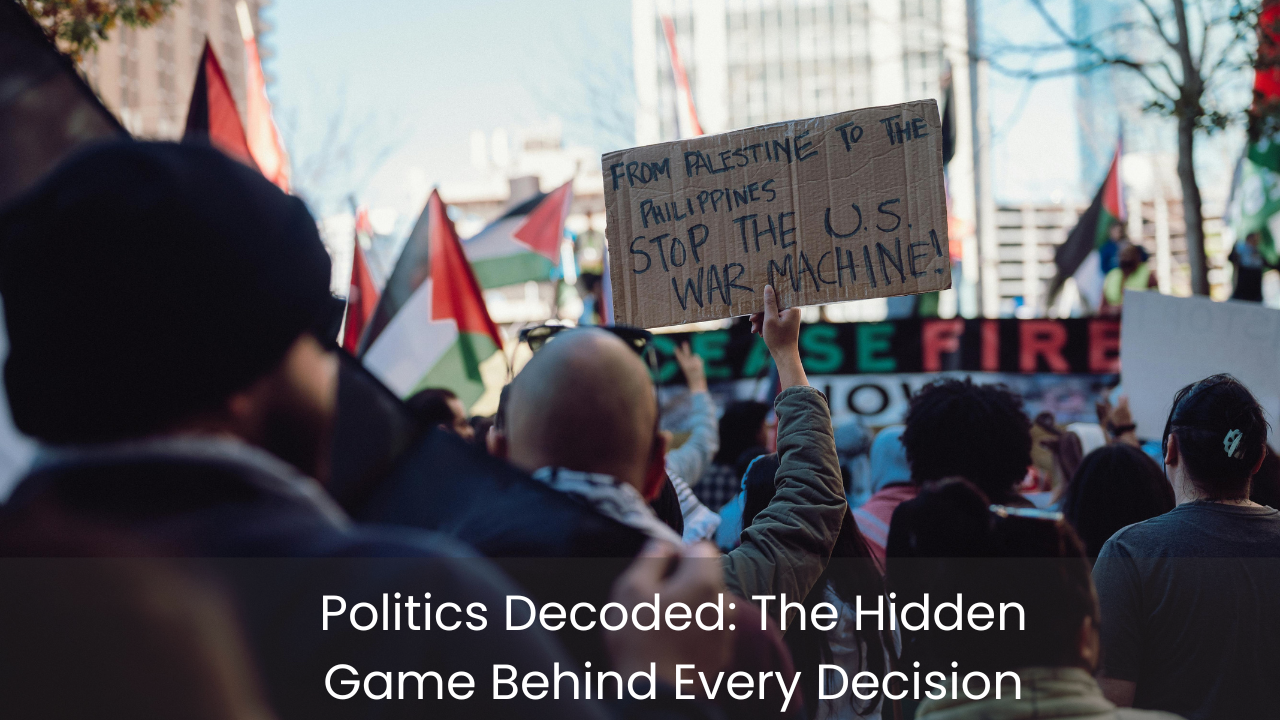
perujournal brings you a powerful deep dive into the fascinating and often mysterious world of politics. Every law passed, every speech given, and every decision made carries a hidden agenda that shapes our lives in ways we rarely notice. If you’ve ever wondered what really goes on behind the curtains of political power, this is your ultimate guide to understanding the secret strategies, alliances, and games that drive governments worldwide.
The Invisible Power Structures
How Politics Really Works Behind the Scenes
Politics isn’t just about debates and elections. Behind the curtains, teams of advisors, strategists, and lobbyists carefully shape every move. These power brokers analyze public opinion, conduct research, and decide which issues to highlight to gain maximum support.
The Role of Money and Influence
Campaign donations, corporate lobbying, and hidden funding sources often determine which policies make it to the table. Money flows like water through political pipelines, and those who control the flow usually control the outcome.
The Psychological Side of Political Decisions
Emotional Triggers in Political Messaging
Politicians know that facts alone rarely sway voters. Instead, they tap into emotions—fear, hope, pride—to motivate action. This is why campaign speeches often feel like motivational talks, and why slogans are crafted to stick in your head.
The Science of Timing in Politics
Decisions are rarely random. Key announcements are released at times when they will have the greatest impact—sometimes to distract the public from scandals, or to ride the wave of a popular trend.
“Politics is not just about laws—it’s about the psychology of persuasion and the choreography of power.”
The Hidden Alliances and Rivalries
Political Parties as Strategic Players
While parties appear united on the surface, internal factions constantly battle for dominance. Leaders must balance these forces carefully, or risk splitting their base and losing influence.
Global Connections Behind National Decisions
Many domestic policies are influenced by international relationships. Trade deals, military alliances, and global organizations all play a role in shaping decisions that seem purely local at first glance.
Media as the Fourth Player
The Power of Narratives
Media doesn’t just report politics—it shapes it. Politicians carefully court journalists and news outlets, knowing that a single headline can change the outcome of an election or policy debate.
Social Media and Instant Influence
In the digital age, platforms like X (Twitter), TikTok, and Instagram allow politicians to bypass traditional media and speak directly to the public, amplifying both truth and misinformation at lightning speed.
The Strategy Behind Every Move
How Politicians Build Their Image
Every photo-op, every handshake, and every smile is carefully planned. Politicians invest heavily in image consultants, speech coaches, and public relations teams to craft a persona that resonates with voters.
Scandals and Damage Control
When scandals erupt, crisis management teams step in immediately. They release statements, shift the narrative, and sometimes even create diversionary stories to protect the politician’s career.
Understanding the Voter’s Role
Why Public Opinion Matters
Public opinion polls are like political compasses. They guide campaigns on what to say, when to say it, and how to frame it. Politicians fear losing public support, as it can derail even the strongest agenda.
How Voters Can See Through the Spin
Educated voters who question narratives and fact-check claims are harder to manipulate. This is why civic education and independent journalism are crucial in any democracy.
The Global Ripple Effect
Local Decisions, Global Impact
A single policy decision—such as a tax change, a new trade law, or a military move—can affect international markets, trigger diplomatic tensions, or set global trends.
How Other Nations React
Governments watch each other closely. When one country passes a major reform, others often follow or respond strategically to protect their own interests.
FAQs
Why do politicians seem to change their opinions so often?
Politicians shift positions based on public opinion, political alliances, and new information. Sometimes it’s a genuine change of heart, but often it’s a strategic move to maintain support.
How much influence do lobbyists really have?
Lobbyists have significant influence, especially in shaping the details of legislation. They provide data, research, and sometimes funding, which can sway how a law is written.
Is media bias real or exaggerated?
Media bias does exist, as every outlet has editorial preferences. The key for readers is to consult multiple sources and critically analyze the information.
Can one person really make a difference in politics?
Yes, individual actions—like voting, organizing, or even spreading awareness—can trigger collective movements that lead to change. History is full of examples where grassroots efforts reshaped nations.
Why do political scandals fade so quickly?
Scandals lose traction when media attention shifts or when new stories dominate the news cycle. Politicians often rely on “news fatigue” to wait out the controversy.
Conclusion
Politics may seem complicated, but with insight into the hidden games behind every decision, you gain the power to see through the spin. perujournal.com encourages readers to stay informed, think critically, and engage with the issues that matter most. When we understand the strategies at play—who benefits, who loses, and why—we become more than passive observers. We become active participants in shaping the future.
Would you like me to make this slightly more dramatic and sensationalized (more emotional hooks, bold claims, and curiosity gaps) so it attracts more clicks for SEO?