

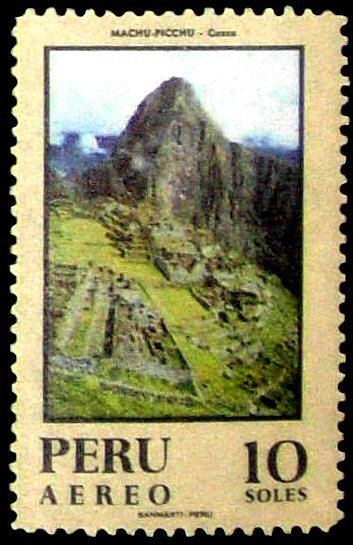
Every day at dawn, the mist lifts off Machu Picchu and one of tourism’s central dilemmas comes into focus: the site is loved at a scale its stones were never built to bear. Peru’s answer, refined over recent seasons, is among the world’s most deliberate experiments in rationing wonder — timed entry slots, fixed one-way circuits, capped daily numbers and investment in a new visitor experience designed to spread travellers across the wider Sacred Valley rather than concentrating them on a single ridge.
What the new system does
Visitors now book specific circuits, each routing them through designated parts of the citadel — the panoramic terraces, the temple core, the summit climbs — with entry windows enforced at the gate. The design goals are archaeological and experiential at once: distribute foot traffic away from the most fragile structures, end the aimless crowding at famous viewpoints, and guarantee that a ticket bought months ahead converts into the visit it promised. Guidance from UNESCO, which lists the sanctuary as a World Heritage site, has consistently pressed for exactly this kind of visitor management, and Peruvian authorities have tied future capacity decisions to conservation studies rather than to demand alone.
On perujournal.com our travel desk reports the local texture of the change: guides retraining for the circuit system, Aguas Calientes businesses adjusting to visitors who linger differently, and the eternal debate between those who would sell more tickets and those who note that the monument is the business.
Beyond the citadel
The strategic goal is dispersal. The Sacred Valley holds wonders the crowds mostly skip — the salt terraces of Maras, the circular terraces of Moray, fortress towns like Ollantaytambo and Pisac — and new infrastructure, including the long-planned international airport near Chinchero, is meant to distribute arrivals across the region. That airport remains controversial, opposed by conservationists and some communities, supported by those who see Cusco’s bottleneck as the greater risk. Our Travel coverage follows the argument because it embodies the region’s real question: how to convert one icon’s gravity into prosperity for a whole landscape of heritage.
A template for overtourism
Venice, Barcelona and Kyoto are wrestling with the same equation, and Machu Picchu’s experiment is watched accordingly. Its lesson so far is that rationing, done transparently and paired with investment in alternatives, can protect both monument and visitor experience — scarcity, honestly managed, may even raise the value of the visit. The stones have waited five centuries. Peru is determined they will wait out this one too.
Booking like a conservationist
For travellers, the new Machu Picchu rewards planning as participation. Book the circuit that matches your interest — the classic postcard route, the temple-focused circuit, the climbs — well ahead, because the most popular windows sell out months in advance and no amount of arrival-day optimism creates a ticket. Build the itinerary outward: nights in the Sacred Valley rather than a day-trip sprint, a local guide whose knowledge converts stones into story, and time for the region’s quieter sites, which the dispersal strategy has made better-resourced and less crowded. The citadel’s lesson for visitors is the same as Peru’s for planners: the scarcer and more deliberate the access, the more the visit is worth.
