

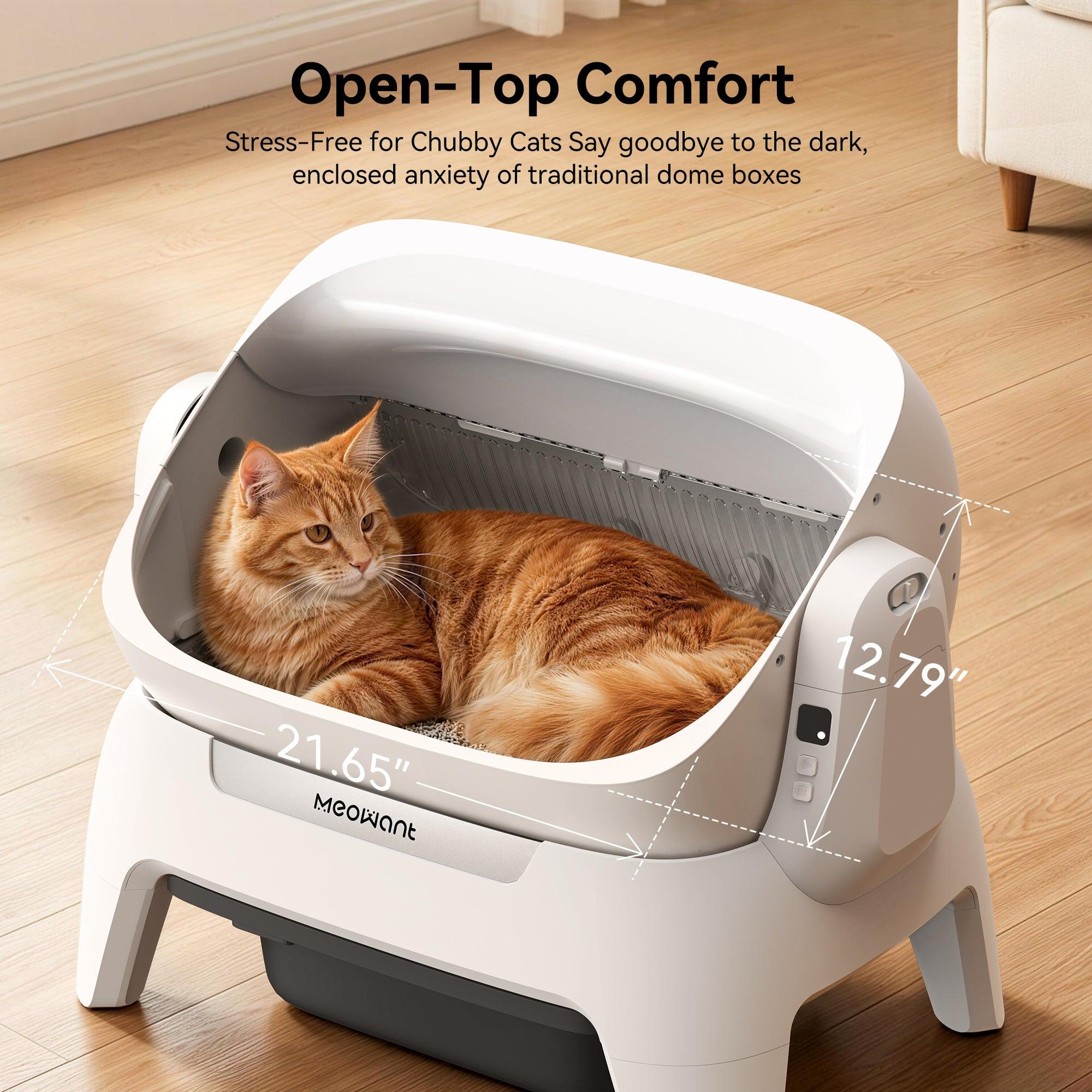
Every cat owner has had the same thought at some point: if the litter box cleaned itself, mornings would be easier. Automatic boxes now promise exactly that, but the decision is not as simple as comparing a price tag to the minutes you save scooping. An automatic box changes how your cat interacts with its bathroom, how you monitor health, and how often you deal with mechanical problems instead of messes. For some households it is a genuine improvement. For others, it becomes an expensive appliance that sits unused because the cat refuses it or the owner finds the maintenance more annoying than scooping. This article takes a practical look at the tradeoffs, so you can decide whether automation fits your life or whether a simpler setup would serve you better.
The Real Work an Automatic Box Removes
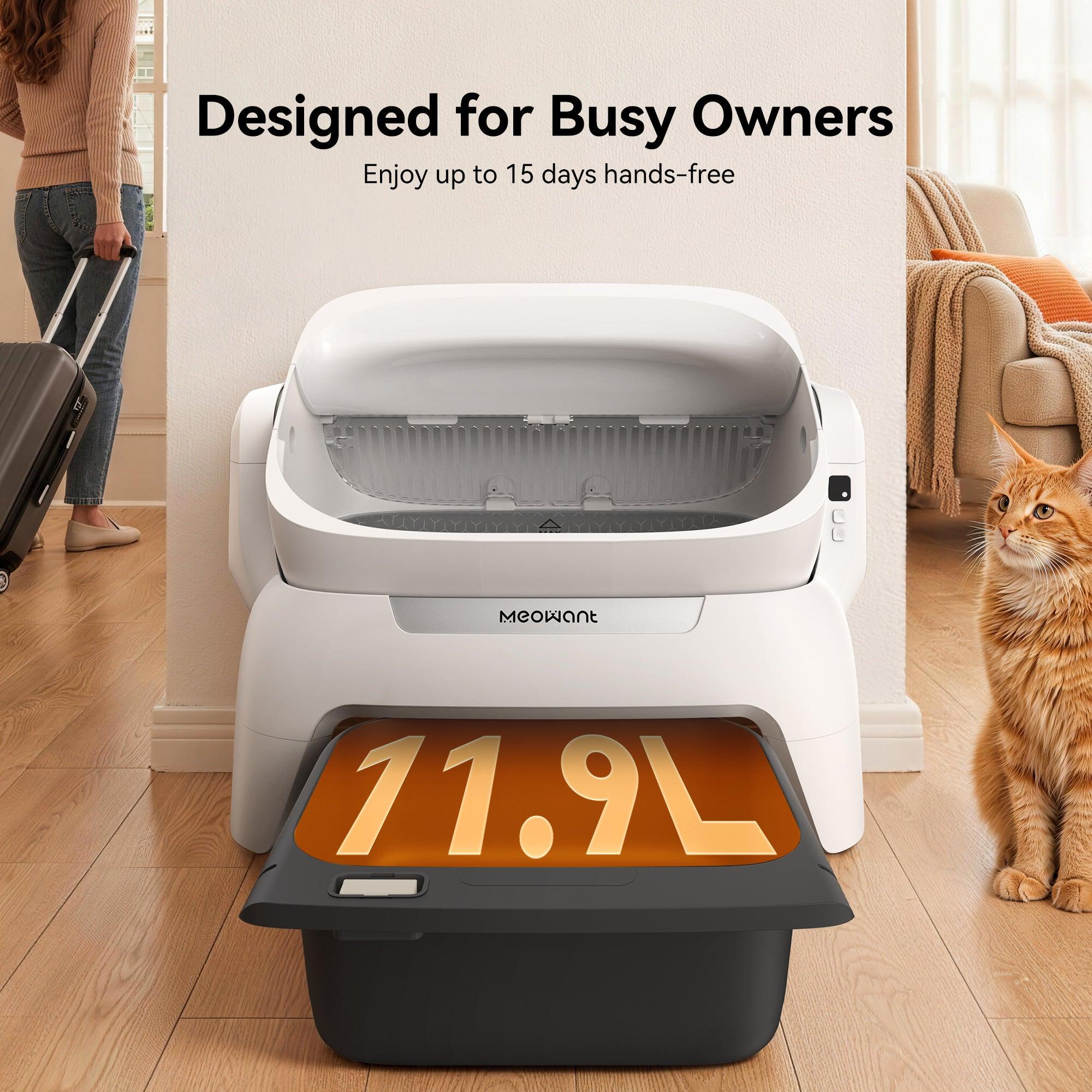
The obvious benefit is time. An automatic box cycles after each use and deposits clumps into a sealed bin, which means no daily scooping and no morning scramble before work. In a household with one cat, that might amount to a few minutes a day. In a multi-cat home, the savings are larger, because the volume of waste and the frequency of cleaning add up quickly. Emptying and refilling a large bin once or twice a week is less disruptive than scooping twice a day.
There is a secondary benefit that owners often undervalue: consistency. Humans get busy, and scooping is the chore most likely to be skipped on a long day. A reliable best self cleaning litter box does not get tired or distracted, so it keeps the surface clean even when your schedule falls apart. That steadiness helps keep odor down and gives cats a predictable bathroom, which can reduce stress-related avoidance in sensitive animals. In that sense, the machine is not just saving labor; it is enforcing a standard.
The Work It Adds Instead
Automation does not eliminate maintenance. It converts scooping into cleaning and troubleshooting, and that shift suits some people better than others.
Cleaning, Filters, and Consumables
Every automatic box needs regular cleaning of the drum, the rake or chute, and the waste compartment. Some models use liners, which are convenient but become a recurring cost. Odor control relies on a tight seal, and seals degrade. If you dislike disassembling plastic parts or scrubbing corners, an automatic box may feel like a step backward. A well-maintained machine is pleasant; a neglected one can smell worse than a simple pan.
It helps to estimate the true weekly workload before you buy. Most owners spend ten to fifteen minutes on a deep clean of an automatic box, plus a few minutes emptying the waste bin and topping off litter. That is still less than scooping twice a day for several cats, but it is not zero. The parts that need attention are often fixed in place, so a machine that comes apart without tools saves more time than one with hidden clips or fragile wiring. Look for a design where the drum, the ramp, and the bin can be removed separately, because you will be handling each of them regularly.
Consumables also shape the long-run cost. Filters, liners, and deodorizing cartridges are easy to overlook at purchase, but they add up over a year. The cheapest approach is usually to choose a model that uses common, low-cost replacements rather than proprietary ones, and to buy a small stock so a replacement is never delayed. When the schedule slips, the machine keeps running but odor creeps back, which is exactly the failure mode automation is supposed to prevent.
Jams and Mechanical Failures
Soft clumps, overfilled litter, and hair wrapped around moving parts are the usual causes of jams. Most are quick fixes, but they tend to happen at inconvenient times. Motors, sensors, and pumps can fail, and repairs are not always simple. The key question is whether you are comfortable with occasional troubleshooting and whether the machine has a reliable support and warranty. If you travel often or are away from home for long hours, a single failed cycle can leave a cat with a dirty box for the rest of the day.
Owners who keep a manual backup box and check the machine before leaving for the day report far fewer problems than those who rely on it as the only option.
How Cat Temperament Decides the Outcome
The most common reason an automatic box fails is not mechanical. It is that the cat refuses it. Cats are sensitive to noise, motion, and enclosed spaces, and a machine that cycles unexpectedly can create lasting fear. Shy cats, senior cats with reduced mobility, and kittens that are still learning to use a box are especially at risk. A loud motor or a cycled lid moving near a cat mid-use is enough to make the box feel unsafe.
The opposite is also true. Many confident cats adapt within days, especially if the machine is introduced gradually and run on its quietest setting while the old box remains available. Open-top designs and gentle cycles make the transition smoother. Meowant’s self cleaning boxes are built around quiet operation and a simple waste bin, which gives cautious cats a better chance to settle in without the startup stress of more aggressive designs.
Watch for warning signs during the first week: hesitation at the entrance, urinating outside the box, or pacing near it. Those signals mean the introduction is moving too fast, not that the cat is being difficult. Give it a second box and more time before deciding the machine is unsuitable.
Consider how the machine behaves at night, too. A cycle that runs in a quiet bedroom can wake light sleepers and startle a cat that is still settling in. If the box must sit near a sleeping area, run it in a quiet mode or schedule it for daytime use during the adjustment period. Once the cat is confident, those small disruptions usually stop mattering, but they can derail a shaky introduction in the first days.
Health monitoring is another hidden factor. When you scoop daily, you see changes in stool, urine volume, and behavior immediately. With an automatic box, waste is combined in a bin, and subtle changes can be harder to spot. A cat that starts urinating more frequently, or produces unusually small clumps, may be developing a urinary problem that a manual box would have revealed earlier. Owners of older cats are often advised to keep at least one manual box for this reason, so they can observe output directly.
There is also a social dimension in multi-cat homes. Automated boxes handle volume well, but they can mask tension. If one cat is guarding the machine or blocking access, you may not notice until another cat starts urinating elsewhere. Watching the box during the first weeks, and keeping a second option available, helps you catch that kind of problem while it is still easy to correct.
A Simple Way to Decide
Ask three questions. First, does your cat adapt quickly to new objects and tolerate noise? Second, will you keep up with cleaning and filter replacement without resentment? Third, do you have space and budget for a backup box? If the answer to all three is yes, an automatic box is likely to improve your routine. If any answer is no, a well-made manual box may deliver more consistent results with less frustration.
For most owners, the smart path is a gradual transition. Set up the automatic box beside the existing one, run test cycles, and let the cat choose for a week or two. Only remove the old box once the new one is being used confidently and the machine has proven reliable. That approach protects your cat’s habits and your investment at the same time.
It also pays to be honest about your own tolerance for upkeep. If you already struggle to keep a manual box clean, adding a machine with more parts may not solve the underlying problem. If, on the other hand, your issue is simply time and consistency, automation addresses exactly that gap. Matching the tool to the reason you are shopping is the most reliable way to end up satisfied rather than returning a machine a month later.
Budget matters, too, but the right comparison is cost per year rather than cost at checkout. Factor in liners, filters, replacement parts, and the chance of a repair, then compare that figure with what you would spend on litter and simple pans over the same period. For many homes the numbers come out closer than expected, which makes the decision about convenience and cat comfort rather than price alone.
Automation Only Pays Off When It Fits
An automatic litter box is neither a luxury gimmick nor a universal upgrade. It genuinely removes daily scooping and enforces a cleaner routine, but it adds cleaning, troubleshooting, and a real dependence on mechanical reliability. Whether that trade works depends on your cat’s temperament, your tolerance for maintenance, and whether you keep a manual backup. Approach the decision with those factors in view rather than the marketing claims, and the right answer for your household becomes much clearer.
